
Pest Control Company Tips: The Hidden Winter (or Fall) Pests Inside Your Home
When the temperatures drop, pests aren’t just disappearing outside — many of them are coming inside with you. Winter and fall bring a wave of invaders searching for warmth, food, and somewhere to ride out the cold months. According to NPMA, the residential segment of pest control remained strong, with over 13.25 million customers receiving professional pest control services in 2024, which shows just how significant indoor infestations have become. Working with a reputable pest control company can help you stay ahead of these cold-weather invaders, but understanding who they are and why they come inside is the first step. Below, let’s explore the most common cold-season invaders and practical tips from a pest control company to protect your home and peace of mind.
Rodents Moving Indoors for Warmth
Rats and mice are among the most notorious winter home invaders. As soon as the temperature drops, they begin searching for shelter, and even a gap the size of a coin is enough for them to squeeze right in. Once inside, they establish nests in attics, basements, insulation, and behind walls. A pest control company often finds that homeowners spot late-stage signs first, such as scratching noises, gnaw marks, or droppings. By that point, these pests may have already built tunnels through insulation, shredded stored materials, and created multiple nest sites throughout the structure.
Rodents don’t just bring discomfort — they can chew electrical wiring, contaminate food, and spread bacteria and diseases. The damage they cause can be expensive, especially when hidden behind walls or in hard-to-reach spaces where activity goes unnoticed for months. Urban homes often experience a surge of rodent activity in winter, making early sealing and regular inspection essential. Keeping things clean, storing food properly, and eliminating small cracks around doors and vents makes a huge difference in keeping these furry intruders outside where they belong, while professional monitoring ensures long-term protection throughout the cold season.
Cockroaches Taking Refuge in Warm Spaces
Cockroaches are tough, adaptable, and not at all shy about spending the colder months indoors. They gravitate toward areas with warmth, food, and moisture — think kitchens, bathrooms, laundry rooms, and under sinks. A pest control company commonly discovers infestations after cockroaches have already been multiplying behind the scenes for weeks or months.
Since their nocturnal habits make them hard to detect early, homeowners should look for signs like pepper-like droppings, shed skins, and that unmistakable musty odor. Cockroaches spread allergens and bacteria, so prompt cleanup, proper food storage, and sealing wet or humid areas can prevent a serious outbreak. Combined with professional treatments, consistent sanitation is a powerful long-term strategy.
Spiders Searching for Shelter and Prey
Many spiders harmlessly coexist with humans and even help reduce insect populations, but when they start appearing inside bedrooms, closets, and storage areas in winter, it can be unsettling. They follow their natural food source — insects — which is why seeing more spiders often means other pests are already active indoors. A pest control company will usually recommend starting with identifying the spider, especially if venomous species are common in your region.
Reducing clutter, vacuuming regularly, and sealing crevices makes your home far less appealing. Spiders love quiet, undisturbed areas, so moving stored items periodically is a simple but effective prevention method. If activity grows or spreads, professional services help eliminate the underlying pest presence that is attracting them in the first place.
Cluster Flies Waiting Out the Season
Cluster flies don’t typically reproduce or feed indoors, but once they enter the home in late fall looking for a place to overwinter, they tend to gather in large numbers. Sun-facing rooms, attic windows, and wall voids are their favorite hiding spots. Homeowners may experience sudden bursts of flying activity on warm winter days when the flies become active again.
A pest control company often focuses on prevention for this species — sealing gaps, caulking window frames, and inspecting siding for loose areas. Indoors, vacuuming and installing screens or fly traps can help reduce numbers until the cold season ends. While cluster flies are harmless, they are very persistent winter guests, and long-term prevention requires blocking entry in the first place.
Bed Bugs Riding In with Luggage and Furniture
Bed bugs don’t follow weather cycles as closely as some pests do, but winter travel, visits from guests, and holiday gathering season often spark a rise in infestations. They are small, stealthy, and incredibly good at hiding inside mattresses, seams, baseboards, furniture joints, and electrical outlets. By the time bites and blood spots become noticeable, a pest control company often finds a mature infestation already in place.
Successful bed bug removal requires deep cleaning, heat or chemical treatments, isolating bedding, and sometimes repeating treatments to catch newly hatched bugs. These pests are emotionally exhausting to deal with, so quick action and professional help are usually the smartest route. The earlier the intervention, the faster the home becomes comfortable again.
Entry Points, Cracks, and Holes
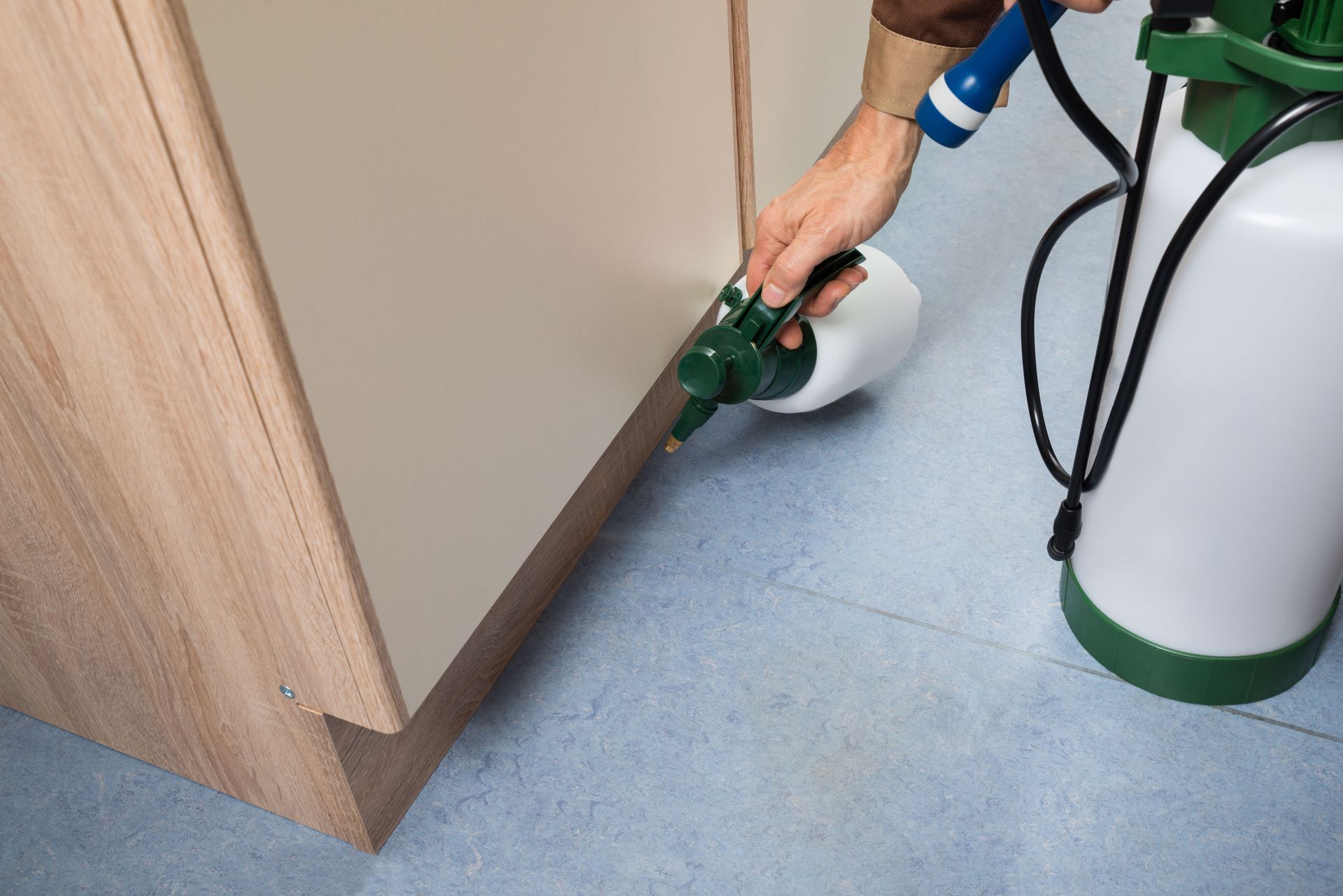
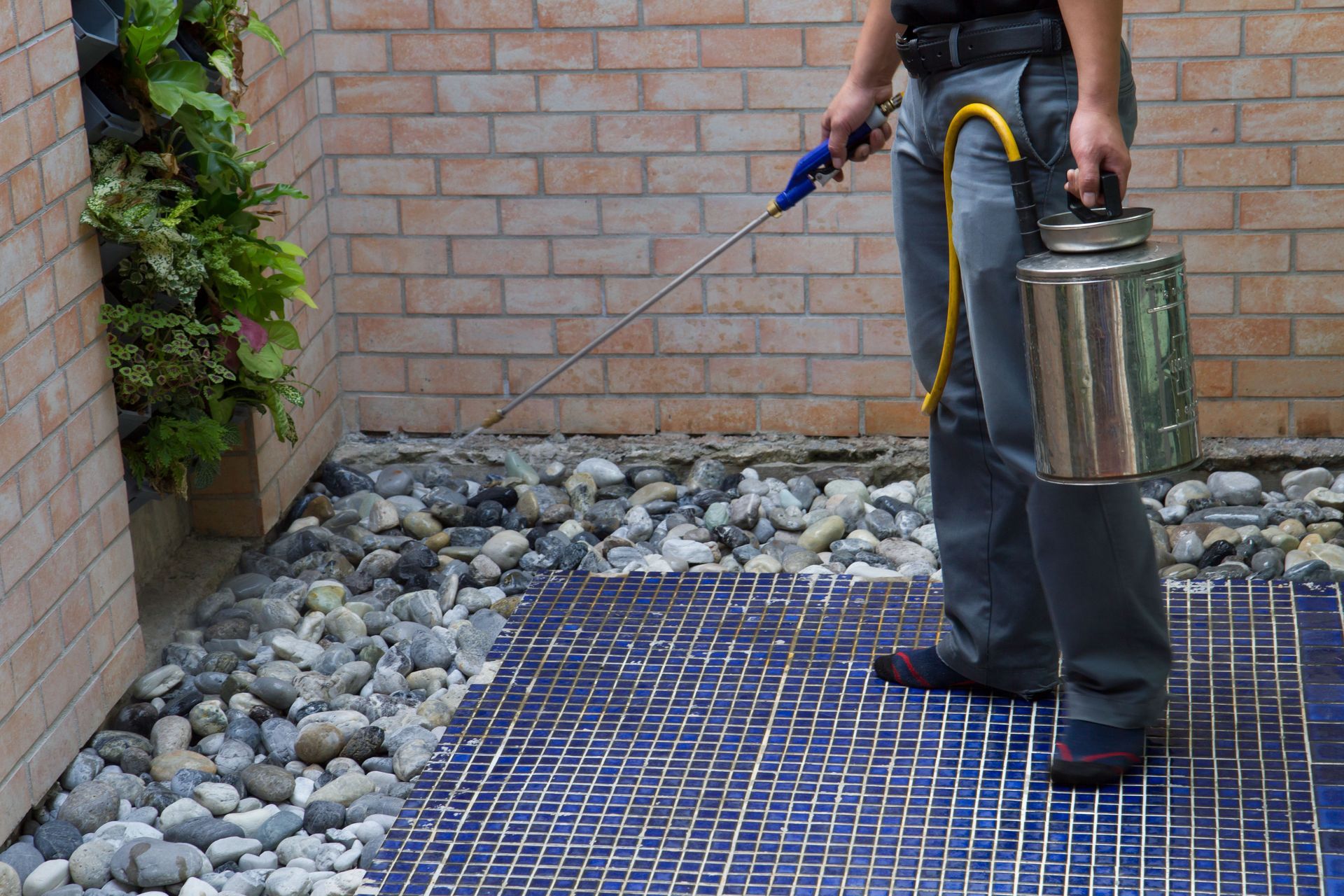
No matter the type of pest, almost all infestations start with an entry point. Small cracks in siding, gaps under door sweeps, torn window screens, damaged roofing, or unsealed pipe openings are like welcome signs for winter invaders. A pest control company will often walk the outside perimeter of a property first, identifying the weak points.
Weatherstripping, caulking, installing mesh over vents, repairing torn screens, and sealing gaps around utility lines create a physical barrier that pests can’t easily bypass. Many homeowners are shocked at how much pest activity can be reduced with just a weekend of repairs and sealing. The fewer the openings, the harder it is for rodents, insects, and spiders to move in.
Moisture, Food, and Clutter Create Perfect Pest Conditions
If warmth attracts pests, moisture, food, and clutter help them stay and thrive. Cockroaches love humidity from leaking pipes. Rodents raid open food containers. Spiders love quiet piles of stored belongings. A pest control company will almost always check laundry rooms, kitchens, pantries, basements, and garages for exactly these conditions.
Fixing plumbing leaks, using dehumidifiers, cleaning spills quickly, storing food in sealed containers, and clearing piles of boxes or newspapers go a long way toward making the home unwelcoming to pests. Regular housekeeping combined with seasonal maintenance dramatically cuts down the likelihood of infestations from fall through spring.
Take Control of Your Home
Knowing which pests are most active in winter — and understanding what draws them inside — allows you to protect the comfort, safety, and cleanliness of your home. Staying proactive with sealing, cleaning, maintenance, and timely professional help will keep most cold-weather invaders outside where they belong. When homeowners recognize the early signs such as droppings, scratching noises, webbing, stains, or unusual nighttime activity, they can address the issue before it becomes overwhelming. Regular seasonal checkups of attics, basements, utility areas, and storage spaces help reveal hidden activity that may otherwise go unnoticed as pests settle in for the cold months.
Taking steps like improving sanitation, repairing moisture problems, organizing stored items, and maintaining food storage habits can significantly reduce the appeal of your home to winter pests. A professional inspection from an experienced pest control company can also uncover weak points and conditions that may attract unwanted guests, helping you stay ahead of infestations before they grow. For expert inspections, prevention, and treatment solutions from a trusted pest control company, contact Pest-Tec.


Share On: