5 Ways Pest Control Companies Protect Your Property Value
Pest control companies aren't just about eliminating creepy crawlies from your home. They play a crucial role in maintaining the asset value of properties, which often involves more than just rudimentary extermination. Pest control professionals provide a comprehensive set of services that go above and beyond simply getting rid of pests. Their efforts, methodologies, and expertise directly impact property values by preserving the integrity and aesthetics of homes and commercial spaces. From inspections to eco-friendly extermination measures, these companies safeguard our investments in numerous ways, ensuring that property value is either maintained or enhanced over time.
1. Comprehensive Inspection Techniques
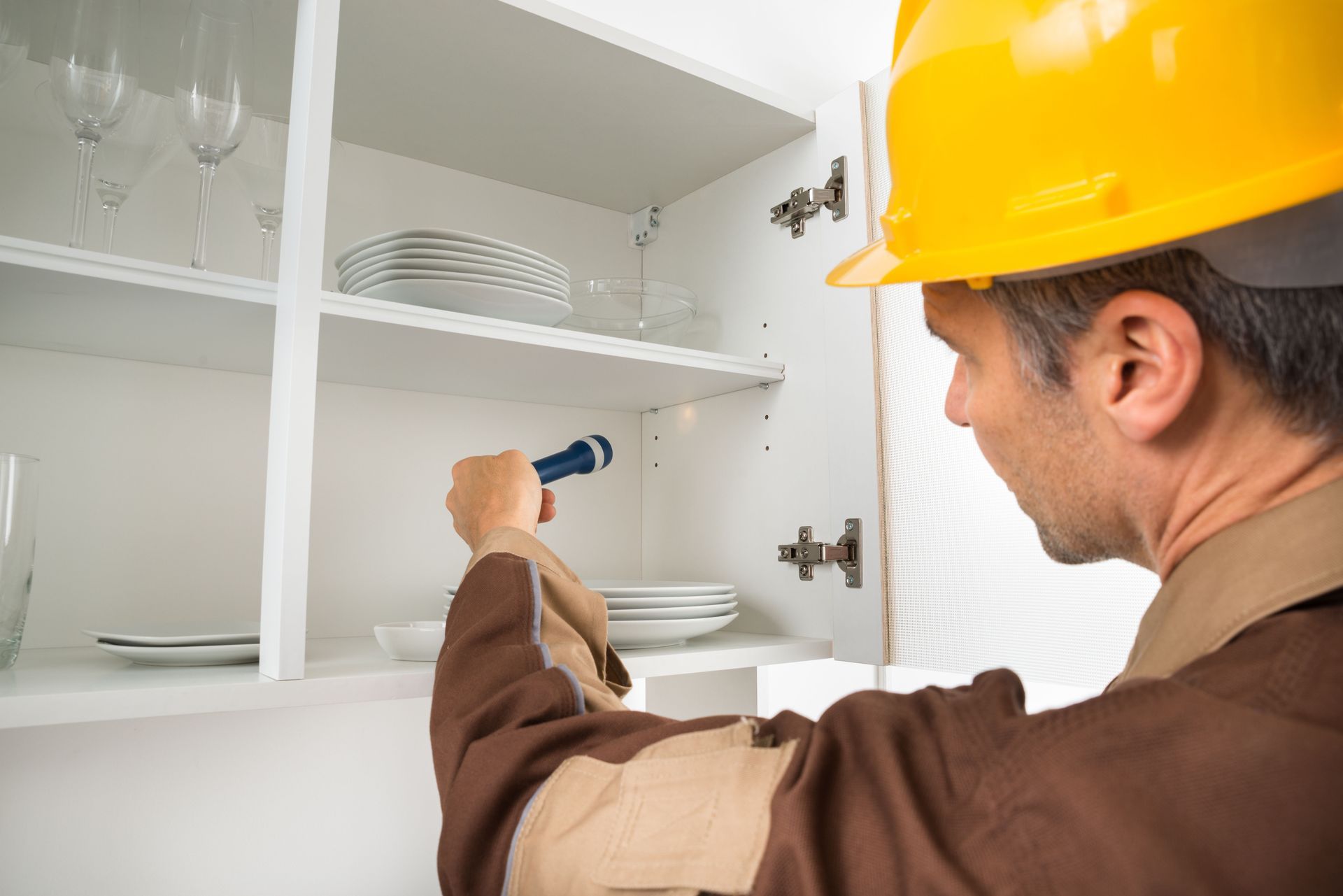
Inspection is the cornerstone of effective pest control and the starting point for any strategic plan. Professional pest control companies employ highly trained inspectors to identify pest infestations accurately. These inspectors utilize advanced tools such as thermal and acoustic detection to locate hidden pest colonies that might otherwise go unnoticed. This is crucial not only for the immediate removal of pests but also for assessing the extent of infestations in terms of damage to structural components, which could significantly affect property value. Thorough reporting and documentation, including photographs and videos, provide property owners with tangible evidence of the pest issues, enabling them to understand and approve necessary treatment plans.
Identifying pest infestation sources early can prevent costly repairs down the line. A skilled inspector can spot potential structural vulnerabilities that may invite pest infestations, such as cracks in the foundation or poorly sealed entry points. This insight allows for preemptive action, safeguarding the property's value by minimizing the risk of structural damage. These inspections also include regular follow-ups, ensuring that the treatment applied is effective and that no new pests have established a foothold. Frequent follow-ups help to mitigate the cyclical nature of pest re-invasions and reinforce the protective barrier around a property, thereby helping maintain its market appeal.
Documentation is not only a means for transparency but also a tool for informed decision-making. Detailed inspection reports provide a clear roadmap of action for both property owners and pest control specialists. Regular follow-up inspections validate the effectiveness of treatments and adaptive management strategies based on evolving conditions. This methodical approach gives homeowners peace of mind and adds a layer of credibility should they decide to sell the property. A property with documented, well-maintained pest control systems is invariably more appealing to potential buyers or tenants, who prioritize the integrity and safety of their living environment.
2. Tailored Pest Management Plans
No two pest problems are exactly alike, and pest control companies recognize this by offering customized treatment solutions. Tailored pest management plans are essential in addressing the unique challenges of each property. These plans consider the specific types of pests found in particular localities, which ensures that the treatments are both applicable and effective. Moreover, consideration of environmental factors such as humidity, temperature, and seasonal changes form an integral part of these plans. The solutions devised are not only about extermination but also about rendering future infestations less likely, which is crucial for preserving property value.
Periodically updating and adjusting pest management plans is essential in providing long-term pest control solutions. Pest species adapt over time, and treatments that were effective initially might lose their potency. Constant monitoring and the ability to adjust strategies in real-time ensure that pest management plans stay effective and relevant. These updates are conducted in consultation with the client, guaranteeing that property owners are involved in every step of safeguarding their homes. This collaborative approach yields better results and empowers property owners with the latest pest control knowledge and strategies.
Client consultations hold significant weight in the formulation of these plans. Pest control experts seek approval from property owners before implementing management plans, ensuring that owners are comfortable with the proposed methods and that these methods align with their personal values or concerns, such as preferences for eco-friendly solutions. The transparency and professionalism demonstrated in these consultations often lead to increased trust and satisfaction from the property owners. Moreover, a well-implemented pest management plan that requires the owner's approval typically results in happier clients and improved property values.
3. Use of Eco-Friendly Pest Control Methods
The demand for eco-friendly pest control solutions has risen exponentially in recent years. Pest control companies are responding by adopting biological control methods that utilize natural predators to manage pest populations. By employing this method, pest control becomes a matter of balance rather than eradication, maintaining an ecosystem where pests are kept in check by their natural enemies. This approach is particularly beneficial in environments where the indiscriminate use of chemicals could have a negative impact on health, property value, and biodiversity. The strategy not only preserves but often enhances the ecological value of a property.
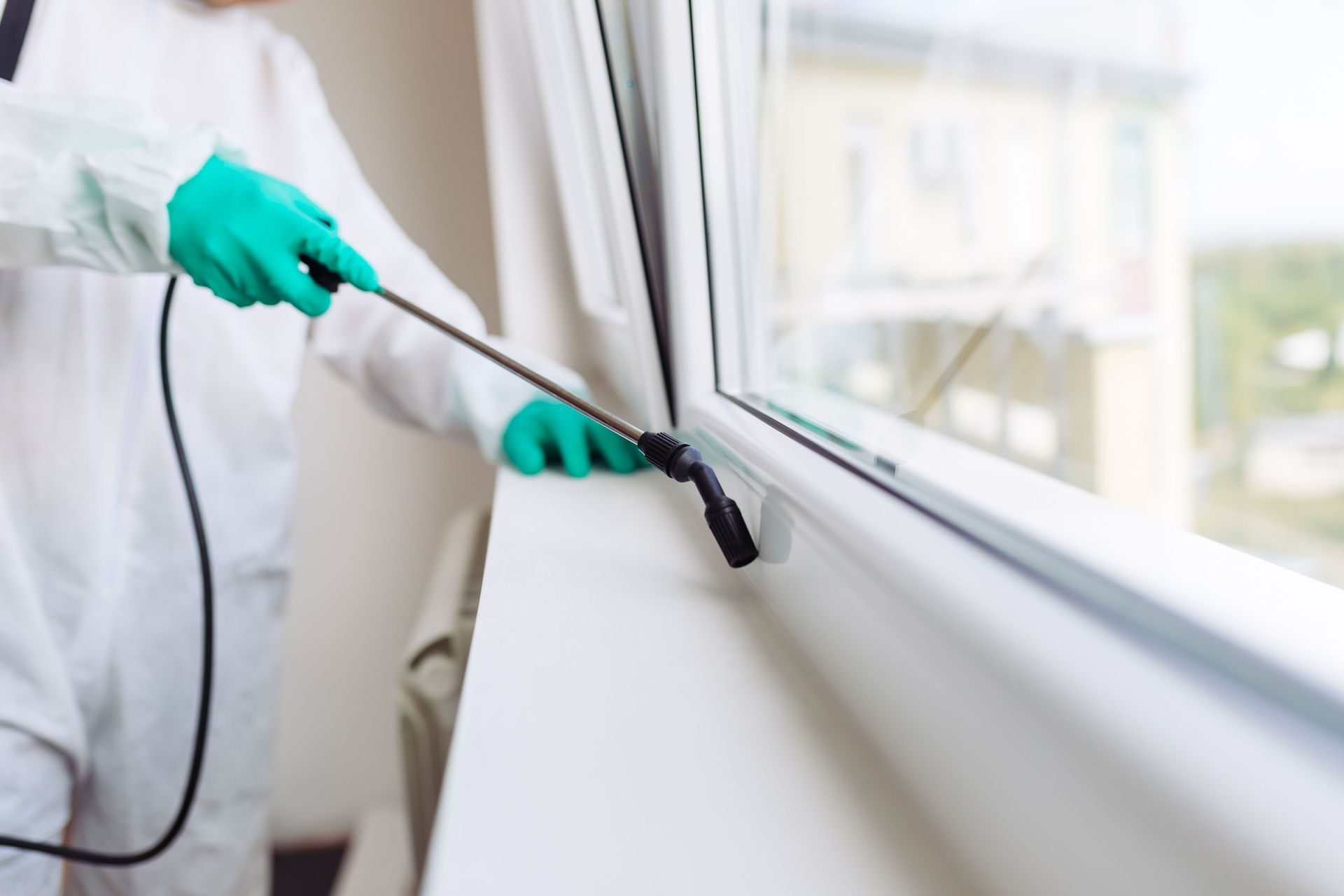
Implementing chemical-free solutions reduces the potential for human exposure to harmful substances. Environmentally safe application techniques targeting very specific pests without harming beneficial organisms are now part of the arsenal. These techniques help maintain the integrity of the home environment and are often less disruptive than traditional methods. They contribute to increased confidence from property owners about their living conditions, significantly bolstering the real estate value. According to Forbes, the female bed bug, for instance, can live about three to four months, thus emphasizing the need for consistent, gentle, and effective control methods that do not rely entirely on chemicals.
4. Prevention of Future Infestations
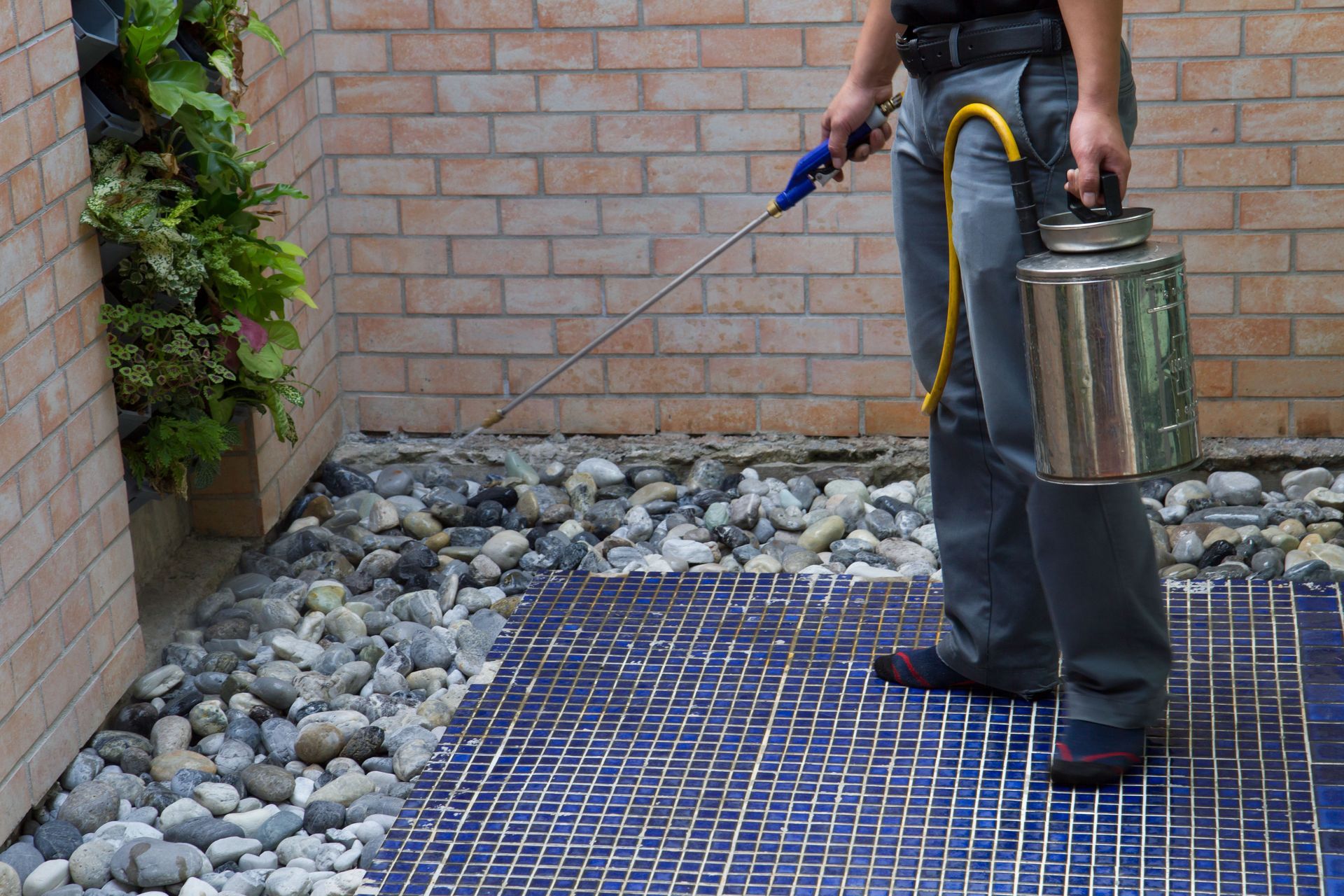
A significant aspect of property value protection is preventing future pest infestations. One effective prevention measure involves creating physical barriers that deter pests from entering the property in the first place. For example, installing screens on windows, utilizing door sweeps, and creating exclusion zones act as deterrents against unwanted invaders. Sealing entry points is another crucial element in this preventive strategy, which includes identifying and closing gaps in the foundation, windows, and vents. These measures form an invisible shield that greatly enhances the property's safety and longevity.
Deploying deterrents as a preventive measure helps sustain the effects of initial treatments. The use of deterrents like pheromone traps or electronic devices that create unpleasant environments for pests is part of a comprehensive protection strategy. Scheduling regular maintenance checks to assess the efficacy of these deterrents and address any new vulnerabilities is essential. By regularly inspecting these deterrents and making necessary adjustments, pest control experts help maintain the structural integrity and aesthetic appeal of the property. This commitment to regular check-ups ensures that prevention remains a core focus, safeguarding the property from future infestations.
5. Enhancing Property Aesthetics and Health
Pest control plays a significant role in enhancing the overall aesthetics and health of a property. A well-maintained landscape that's free of pest infestations contributes to curb appeal and boosts real estate value. This involves the careful selection and placement of plants that repel pests while promoting biodiversity. Improved landscape design not only makes properties more visually appealing but also creates a natural defense against pest invasions. Pests are less likely to establish themselves in environments where natural deterrents are present, thus bolstering the property's market value and allure.
Ensuring indoor air quality is another critical component of property health managed by pest control. Pests such as rodents and insects can negatively impact indoor air quality through the allergens and pathogens they carry. By controlling pest populations, these risks are minimized, thereby improving the air that residents breathe daily. Lower allergy and asthma triggers enhance the quality of life for occupants and increase the home's attractiveness to potential buyers. Thus, regular pest control contributes to a healthier indoor environment, which is a significant selling point in today's health-conscious real estate market.
Through comprehensive inspection techniques, tailored pest management plans, eco-friendly methodologies, and enhancements to property aesthetics and health, pest control companies play an indispensable role in maintaining and improving property value. By remaining proactive and adaptive, Pest-Tec can ensure that your property remains valuable and marketable. Reach out to us today to get started!

Share On: