7 Infestation Insights From a Local Exterminator
Infestations rarely begin as obvious problems. In most cases, they develop gradually in hidden areas like crawl spaces, wall voids, or attics, only becoming noticeable once the population has grown. That is why many homeowners feel caught off guard when they finally see clear signs of pest activity. Working with a local exterminator not only helps eliminate the issue but also provides practical insight into how these problems start and how to prevent them moving forward.
This article takes a deeper look at real-world insights that professionals rely on every day. From early detection to long-term prevention, each section focuses on helping you better understand what is happening behind the scenes. Whether you are currently dealing with an infestation or trying to avoid one altogether, these takeaways offer a more strategic and informed approach.
Identifying Early Warning Signs and Indicators
Recognizing the early signs of an infestation is one of the most important steps in protecting your property. Many pests leave behind subtle evidence long before they are seen directly. This can include droppings, grease trails, gnaw marks, shed skins, or even faint scratching sounds coming from inside walls. These small indicators are easy to overlook, but they often signal the beginning of a much larger issue.
A local exterminator will typically point out that early detection significantly reduces both treatment complexity and cost. The longer pests are allowed to remain undetected, the more time they have to reproduce and spread throughout the structure. What starts as a minor inconvenience can quickly turn into a widespread problem if ignored.
It is also important to pay attention to environmental changes. Unusual odors, damaged packaging in pantries, or increased insect sightings around windows and doors may indicate underlying activity. Even something as simple as noticing more pests at certain times of day can provide clues about nesting areas. Staying aware of these patterns allows for faster action and more effective control.
Understanding Common Infestation Types and Patterns
Different pests require different strategies, which is why proper identification is essential. Rodents, termites, ants, cockroaches, and bed bugs all behave differently and present unique challenges. Misidentifying the problem can lead to ineffective treatments and wasted time. This is where the experience of a local exterminator becomes especially valuable, as they can quickly assess the situation and recommend the right approach.
Infestation patterns are often influenced by environmental factors. Seasonal changes, weather conditions, and surrounding landscapes all play a role in pest activity. For example, rodents tend to move indoors during colder months in search of warmth and shelter. In contrast, insects like ants and mosquitoes become more active in warmer, humid conditions.
Understanding these patterns allows property owners to be proactive rather than reactive. If you know when certain pests are most likely to appear, you can take preventative measures ahead of time. This might include sealing entry points before winter or addressing moisture issues before peak insect season. Anticipating these shifts is a key part of long-term pest management.
Learning Pest Behavior and Lifecycle Timing
One of the most overlooked aspects of pest control is understanding how pests live and reproduce. Every species follows a lifecycle that includes multiple stages, and each stage may require a different treatment approach. Simply eliminating visible pests does not always solve the problem if eggs or larvae are still present.
For example, insects like cockroaches and bed bugs reproduce quickly and can hide in extremely small spaces. This makes them particularly difficult to eliminate without a comprehensive strategy. According to Forbes, nearly 70 percent of pest control professionals identify bed bugs as one of the hardest pests to remove due to their resilience and complex lifecycle. This highlights the importance of addressing the entire population rather than just what is visible.
A local exterminator will often design treatment plans around these lifecycle stages. Timing treatments correctly helps disrupt reproduction and prevents new generations from emerging. This approach is far more effective than one-time treatments and plays a major role in long-term success.
Preventing Entry Points and Access Opportunities
Keeping pests out in the first place is always more efficient than dealing with an active infestation. Most pests enter through small openings that are easy to miss during routine maintenance. Cracks in foundations, gaps around windows and doors, and openings around utility lines are common entry points.
Conducting regular inspections can help identify these vulnerabilities early. Sealing gaps, installing door sweeps, and repairing damaged screens are simple steps that can make a significant difference. A local exterminator can also provide a more detailed inspection, identifying less obvious access points that may not be immediately visible.
Outdoor conditions should not be overlooked either. Overgrown shrubs, woodpiles, and standing water near the home can attract pests and create ideal breeding environments. Once pests establish themselves outside, it becomes much easier for them to move indoors. Maintaining a clean and well-managed exterior reduces this risk and supports overall prevention efforts.
Maintaining Clean Spaces and Reducing Attractants
Cleanliness plays a direct role in pest prevention. Pests are constantly searching for food, water, and shelter, and even small amounts of each can attract them. Leaving food out, failing to seal trash properly, or allowing clutter to build up creates an inviting environment.
Regular cleaning routines help eliminate these attractants. Wiping down surfaces, storing food in sealed containers, and taking out trash consistently all contribute to a less hospitable space for pests. However, it is important to go beyond surface-level cleaning. Areas like behind appliances, under sinks, and inside cabinets should also be addressed.
A local exterminator will often emphasize that clutter is one of the biggest contributors to infestations. Clutter provides hiding spots and makes it harder to detect early signs of activity. By keeping spaces organized and clean, you not only reduce the likelihood of pests but also make inspections more effective.
Choosing Treatment Methods and Solutions
When prevention is not enough, selecting the right treatment method becomes critical. There are many options available, ranging from DIY solutions to professional services. While store-bought traps and sprays can be useful for minor issues, they are often not sufficient for larger infestations.
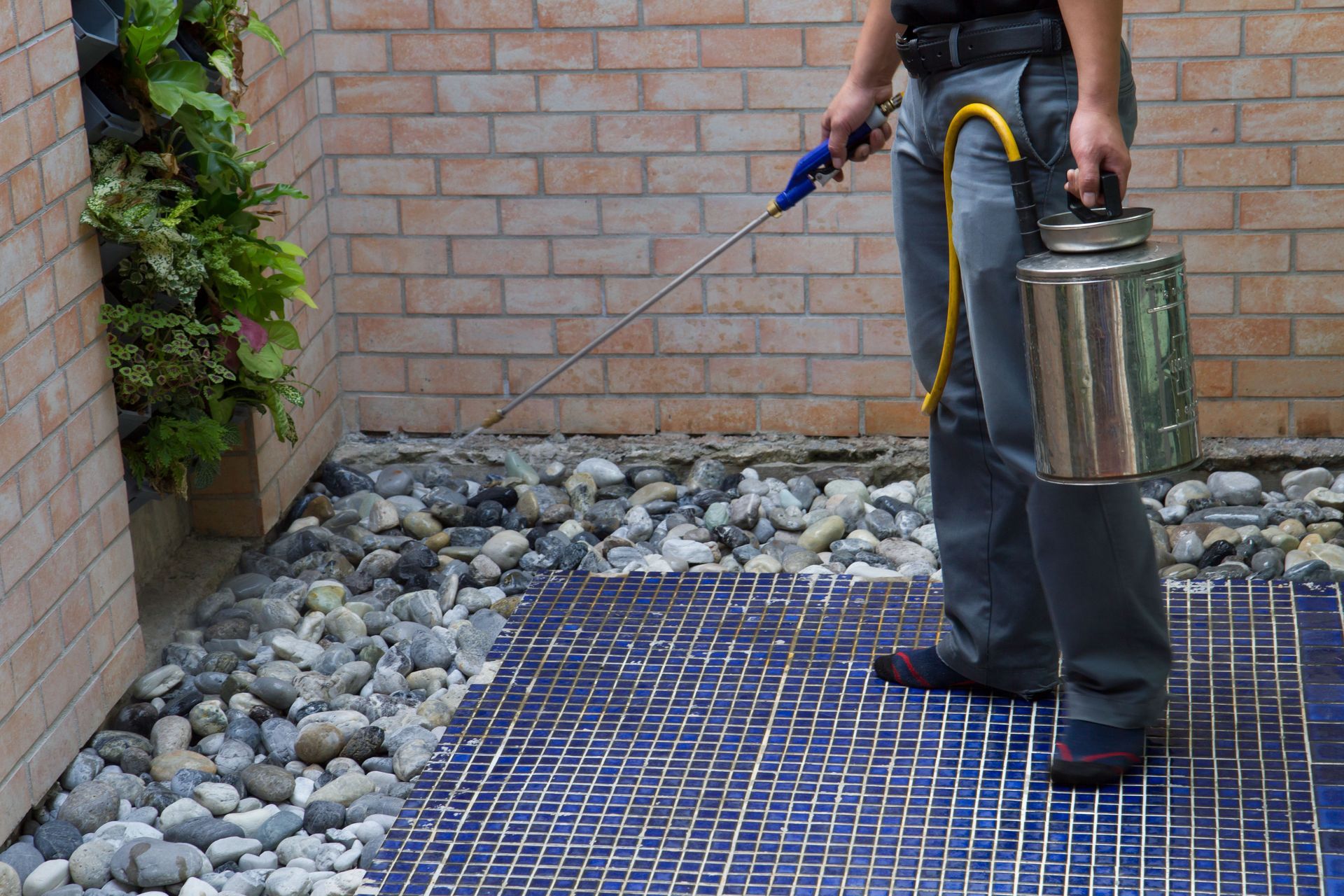
Professional treatments are typically more comprehensive and tailored to the specific problem. These may include targeted applications, baiting systems, and integrated pest management strategies. A local exterminator will assess the severity of the infestation and recommend a plan that addresses both immediate concerns and long-term prevention.
It is also important to consider safety when choosing a treatment method. Some chemical solutions can pose risks if not used properly, especially in homes with children or pets. Professional services are trained to apply treatments safely and effectively, reducing potential risks while maximizing results.
Monitoring Progress and Preventing Reinfestation
Eliminating pests is only part of the solution. Without proper monitoring, infestations can return over time. This is why ongoing maintenance and regular inspections are essential. Keeping track of any new signs of activity allows for early intervention before problems escalate.
Modern pest control often includes monitoring tools such as traps, sensors, and inspection schedules. These tools provide valuable data and help identify trends over time. A local exterminator may incorporate these methods into a long-term plan, ensuring that your property remains protected.
Consistency is key when it comes to prevention. Even after a successful treatment, it is important to maintain good habits and continue addressing potential risk factors. This includes keeping entry points sealed, maintaining cleanliness, and staying aware of environmental changes. Long-term success depends on a combination of vigilance and proactive care.
Infestations are rarely random. They happen when conditions allow pests to enter, survive, and multiply. By addressing these factors early and staying proactive, property owners can reduce long-term issues. From detection to prevention, each step strengthens your overall approach. For reliable, long-term pest control solutions, contact Pest-Tec today.



Share On: